

New Year | New DIY Fashion Resolutions Series - How fast fashion fuels climate change, P3

By Helle Abelvik-Lawson
September 22, 2023
Source: Green Peace
Source Article / Images: Shidonna Raven Patterns & Publications. All Rights Reserved. Copyright. Please contact us for republishing permission and citation formatting.
Clothing is a source of microplastics
Because polyester is basically plastic, it takes years to break down. Different synthetic fibres like polyester are often blended to make fabric, making them hard to separate.
When it’s left to break down in landfills, it pollutes the air, soil, and water with plastic microfibres and hazardous chemicals.
Each year, half a million tonnes of plastic microfibres shed from washing plastic-based textiles such as polyester, nylon, or acrylic, ending up in the ocean. That’s the equivalent of 50 billion plastic bottles.
Microplastics are everywhere – they moult off our fleeces into the air we breathe, and drain out of our washing machines and into the oceans.
There’s clearly a huge problem here. These plastics not only pollute the environment – they are even getting into our bodies through water and food, with still unknown impacts on health.
We do need affordable clothing, but is this really the best way to go about it?

Cloud Pillows. Shidonna Raven Patterns & Publications 
Sand & Deashell Baby Blanket (Throw). Shidonna Raven Patterns & Publications 
Radiant Placemat & Coaster Set. Shidonna Raven patterns & Publications 
Eastern Cowl. Shidonna Raven Patterns & Publications 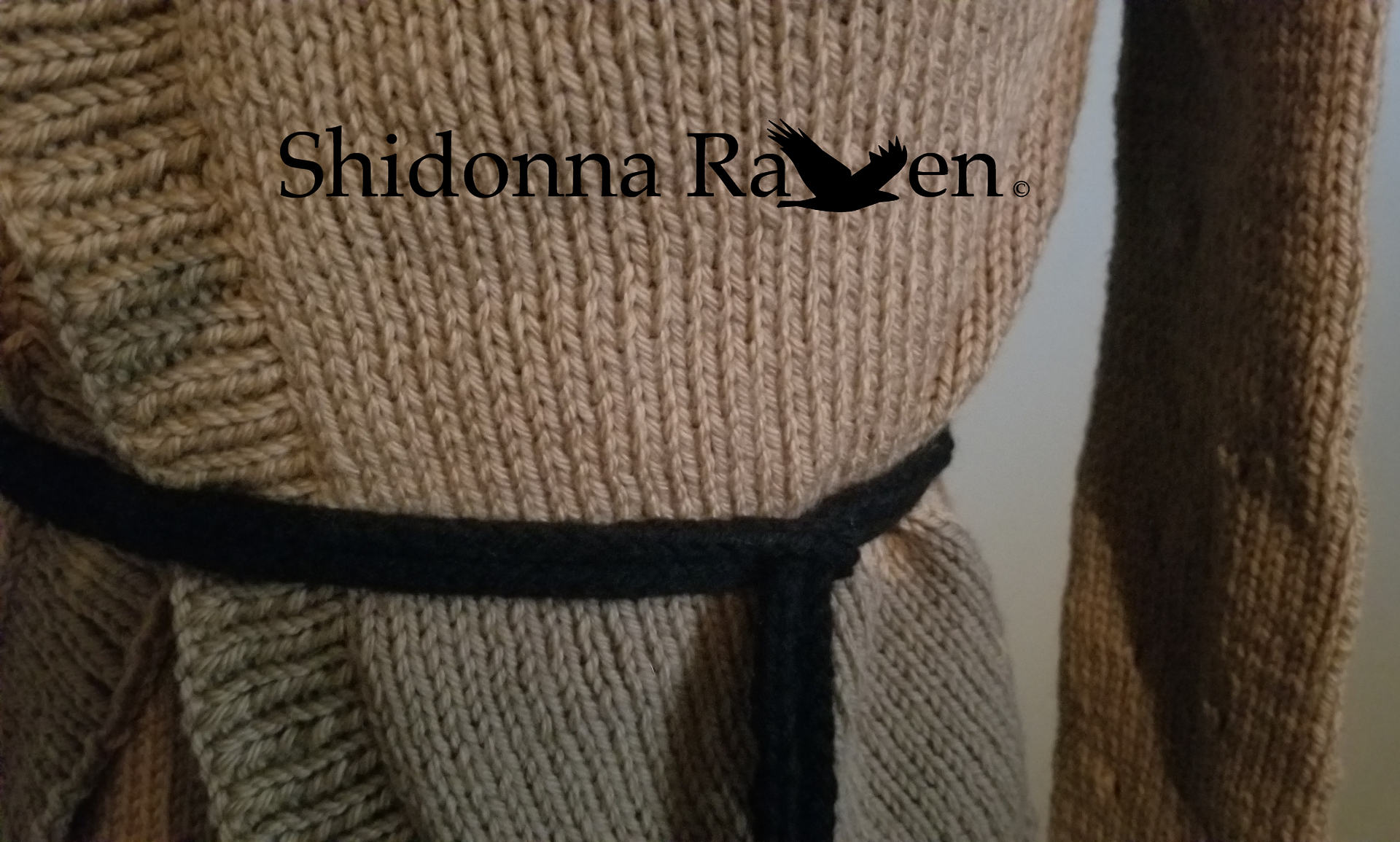
Ruth Cardigan Set. Shidonna Raven Patterns & Publications 
Cup Cozy. Shidonna Raven Patterns & Publications
How can you make your DIY one of a kind. How will you decorate and supply your back to school/college? Which crafts do you do?
Share your answers with the community by posting them below. Share the wealth of information with your friends or family by sharing this article with 3 people today. As always you are the best part of what we do. Keep sharing.


Comments